
Comprehensive planning before installation
Understand pump types and select the right model for your needs
Across the sun-kissed plains of South Africa, 60% of borehole projects stall before the first trickle, often because the plan forgot to listen to the water beneath. I’ve learned the solution is a quest of preparation, a map drawn for the unseen dragon!
Comprehensive planning before installation begins with understanding pump types and selecting the right model for your needs. When you ask how install submersible pump, consider the well’s nature. I recommend a design that matches duty—the quiet swimmer that persists through heat.
- Centrifugal: versatile for clean water and moderate depths.
- Turbine: robust for deep wells.
- Sump/dewatering: built for drainage.
A journey of planning becomes a tale where your system awakens with dependable flow, especially in SA’s heat. This is where the question of how install submersible pump merges with myth and method!
Assess water source, lift height, and flow requirements
Across South Africa’s sun-baked plains, 60% of borehole projects stall before the first trickle, a dry statistic etched in stone. Comprehensive planning before installation begins with listening to the well and the land, drawing a map for the unseen dragon beneath the earth.
For those embarking on the journey of how install submersible pump, assess the water source, lift height, and flow requirements. The quest favors clarity: know where the water hides, how high it must rise, and the pace at which it must move to serve your needs.
- Water source type and yield
- Lift height and submersion depth
- Desired flow rate and duty cycle
- Electrical supply and protection
With these truths, the system awakens and the valley breathes a reliable rush, even through SA’s furnace-like days.
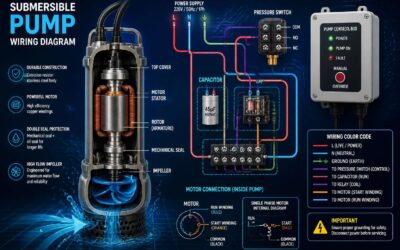
Evaluate power supply, wiring, and electrical codes
South Africa’s sun-baked plains prove water security is won before it begins. Too many boreholes stall before the first trickle because the electrical backbone is overlooked. Comprehensive planning before installation starts with a clear head for power, wiring, and the codes that keep households safe!
Consider these checks:
- Confirm the available voltage, phase, and starting current from the main supply.
- Size conductors and protective devices to match the pump load.
- Adhere to South Africa’s electrical standards (SANS 10142-1) and local bylaws.
- Ensure proper earthing, earth leakage protection, and surge suppression.
If you’re asking how install submersible pump, start by mapping the power backbone and protective devices that guard your investment.
With this groundwork, the water finds the right rhythm, even as SA’s climate tests patience!
Create a safety and maintenance plan for long term operation
South Africa’s water security is not a spectator sport—when the borehole falters, the whole household pays. A robust plan turns a whispering trickle into steady flow, even through the dry season. If you’re asking how install submersible pump, your starting point is a non-negotiable safety and maintenance plan.
Comprehensive planning before installation means capturing the big picture—who maintains it, what keeps it safe, and how you log the life of the system. It sets expectations, aligns stakeholders, and gives you a reference in the event of a service visit. This approach keeps the rhythm of water consistent, season after season.
- Safety and compliance framework
- Maintenance philosophy and record-keeping
- Roles, responsibilities, and training
- Spare parts, access, and inventory control
Tools, materials, and safety gear
Essential installation tools and equipment checklist
Across rural South Africa, water comforts hinge on one dependable thing: a quiet submersible pump. When a borehole finally yields, the day grows calmer, the kettle sings sooner, and chores flow like a well-loved river. For readers curious how install submersible pump, the answer begins with preparation—tools, materials, and safety gear that keep hands honest and spirits hopeful, even when storms roll in.
A solid toolkit and PPE form the first line of defense. Sturdy gloves, safety glasses, and boots that grip rough ground keep the work dignified, even when the wind rattles a tin roof.
- Adjustable wrench
- Pipe wrench
- Multimeter or voltage tester
- Wire cutters/strippers
- Electrical tape
- Silicone sealant
- Safety gloves
- Safety glasses
Piping, fittings, and mounting hardware you’ll need
Across rural South Africa, nearly 70% of households rely on boreholes for daily water, a fact that makes quiet pumps feel magical. The guide to how install submersible pump begins with preparation—honouring wind-torn roofs and patient, underground rivers. When the earth yields, homes wake and kettles sing again!
A solid toolkit and PPE form the first line of defense. I keep sturdy gloves, safety glasses, and boots that grip rough ground ready—the wind rattles a tin roof, yet the work stays dignified.
- Adjustable wrench
- Pipe wrench
- Multimeter or voltage tester
- Wire cutters/strippers
- Electrical tape
- Silicone sealant
- Safety gloves
- Safety glasses
Piping, fittings, and mounting hardware—the quiet skeleton that holds the river in place. Choose corrosion-resistant materials, seals, and clamps to secure the assembly, with a mounting bracket that keeps the pump steady in gusts across the Highveld.
Safety gear, PPE, and handling precautions
In South Africa’s rural heartland, boreholes keep the kettle singing and the water flowing. When you ask how install submersible pump, safety gear becomes your first ally. PPE isn’t cosplay; it’s a quiet shield against shocks, sharp edges, and gusts that rattle the tin roof.
Here’s the toolkit that won’t misbehave when you need it most:
- Adjustable wrench
- Pipe wrench
- Multimeter or voltage tester
- Wire cutters/strippers
- Electrical tape
- Silicone sealant
- Safety gloves
- Safety glasses
Materials are the quiet skeleton that holds the river in place. Choose corrosion-resistant piping, seals, and clamps, plus a sturdy mounting bracket to keep the pump steady in gusts across the Highveld. Safety gear, PPE, and handling precautions matter: inspect for damage, keep dry hands, and respect electrical codes; a calm approach beats a frantic thunderstorm every time.
Storage, transport, and preparation tips for the job site
Water is life in SA, and a borehole that breathes easily through the dry season is a quiet triumph. “Water is resilience,” the old kraal sage would say, and preparation is the shawl that keeps it warm. When you ask how install submersible pump, the answer begins with calm, organized hands.
Before you embark, assemble the toolkit and let quiet competence lead the way:
- Adjustable wrench
- Pipe wrench
- Multimeter or voltage tester
- Wire cutters/strippers
- Electrical tape
- Silicone sealant
- Safety gloves
- Safety glasses
Materials form the river’s skeleton—corrosion-resistant piping, seals, clamps, and a mounting bracket to keep the pump steady in gusts. Store dry, shaded, and secure, and transport with quiet restraint so nothing rattles on the road. On-site preparation means a tidy, level space, clear pathways, and legible labeling for effortless checks when the moment arrives.
Keep safety gear ready—the gloves, glasses, and dry hands—so the mood stays steady when the horizon hints at trouble.
Installation steps and best practices
Power down procedure and lockout/tagout basics
A single spark can derail a borehole project—this isn’t drama, it’s a data point you feel on site! Across South Africa, the truth about installation sits between careful planning and practical respect for safety, water source dynamics, and long-term reliability. When you approach the task with patience and curiosity, the process reveals itself as a mindful conversation with the ground, the pump, and the team that carries it to life.
“Safety isn’t expensive, it’s priceless,” a veteran electrician often reminds me. Power down procedure and lockout/tagout basics are non-negotiable. Before any work, isolate the power sources, apply a lockout device, attach a tag, and verify the circuit is dead. If you’re wondering how install submersible pump, start with this discipline—safety-first isn’t optional.
Beyond that foundation, document decisions, respect local codes, and coordinate with the site crew to keep noise, weather, and access in balance. A well-managed handover to operation isn’t an afterthought; it’s the quiet cornerstone of performance and community trust.
Preparing the well or sump area and mounting the unit
On the cusp of a South African borehole, preparation is the spell that keeps the rest honest. Clear the sump of debris, sweep the pit clean, and lay a stable mounting pad. Check the casing for burrs and ensure a straight, obstacle-free drop path.
how install submersible pump begins with patient alignment and measured steps. Follow these essentials to set the stage:
- Lower the unit slowly along a guide rope to the target depth, feeding cleanly without snag.
- Attach drop pipe and mounting hardware, ensuring seals are snug and level.
- Place anti-vibration pads and secure the base so the pump sits true to axis.
Finish with a dry run, then plan the final electrical connections and a quiet, reliable startup.
Connecting electrical, plumbing, and venting components
In South Africa, when you ask how install submersible pump, the room tingles with possibility. The setup hinges on clean interfaces—electrical, plumbing, and venting—moving in quiet harmony from first contact to final startup.
Plan connections with care: route insulated cables, protect piping, and install vent paths that prevent air locks and pressure swings. Use corrosion-resistant fittings and watertight seals, keeping everything accessible for service.
- Understand material compatibility with local water chemistry and debris.
- Ensure joints and seals are clean, dry, and correctly seated to reduce vibration.
- Arrange a professional inspection before energizing the system for electrical safety.
Finish with a quiet, measured startup and a maintenance mindset that keeps the borehole singing through the seasons.
Priming, leak testing, and initial startup checks
A quiet start is a strong start for South Africa’s boreholes. If you’re asking how install submersible pump, priming guides the way: fill the pumping column and riser to the pump, ensure the impeller is fully wetted and air-free, and verify alignment before energizing anything.
- Priming concept and purpose: ensure the pumping column is wetted and air-free to prevent cavitation.
- Leak testing concept: check joints and seals under pressure, noting any drips or damp spots.
- Initial startup checks: confirm power is on, monitor voltage and current, and observe initial flow behavior.
Finish with a brief run and ongoing monitoring; keep records for maintenance and ensure easy access for service.
Maintenance, troubleshooting, and optimization
Routine maintenance schedule and inspection tasks
Around 40% of submersible pump failures in South Africa trace to skipped maintenance, turning a routine install into frantic troubleshooting. Master the discipline of how install submersible pump, and you enjoy steadier flow, quieter operation, and longer life for borehole and tank systems, even in dusty SA conditions.
Routine maintenance schedule and inspection tasks keep borehole pumps singing. Here are essentials for a SA context:
- Inspect seals and electrical cables for wear
- Clean intake screen; remove sediment
- Test electrical connections and motor protection
- Check discharge line for blockages and leaks
In troubleshooting, note unusual noises, overheating, or erratic cycling. For optimization, schedule seasonal checks, verify float or level controls, and keep a log of readings to guide future inspections.
Identify and fix common installation issues
Maintenance is the quiet backbone that sustains promise in South Africa’s dusty landscapes. Routine checks keep borehole pumps singing—steady flow, quieter operation, longer life—by guarding seals, cables, and the intake with patient care.
Troubleshooting becomes a conversation with the machine: listen for odd sounds, overheating, or erratic cycling. Common installation culprits emerge—worn seals, sediment inlets, misaligned fittings, or loose wiring—inviting calm, systematic evaluation instead of panic.
Optimization thrives on seasonal checks, level controls, and a growing log of readings. If you’re curious how install submersible pump, remember the craft lies in harmony with power, water source, and dusty SA conditions.
Electrical safety checks and fault diagnosis
Maintenance is the quiet backbone that keeps a submersible’s promise alive in South Africa’s dusty landscapes. Regular checks, gentle cleanings, and careful alignment preserve efficiency and extend life, turning a temperamental unit into a reliable partner—like a quiet guardian tending the borehole. Attention to wear and protection of cables safeguards long-term performance.
Troubleshooting becomes a calm conversation with the machine: tune into unexpected noises, overheating, or erratic cycling. You’ll spot the usual suspects—misaligned components, sediment intrusion, or loose connections—and approach them with method, not panic.
Optimization thrives on seasonal checks, level monitoring, and a growing log of readings. For how install submersible pump, the craft lies in harmony with power, water source, and dusty SA conditions. Electrical safety checks and fault diagnosis anchor every decision, turning data into dependable performance.
Tips to improve efficiency, lifespan, and reliability
Maintenance is the quiet backbone that keeps a submersible humming through South Africa’s dusty landscapes. Regular checks, gentle cleanings, and careful cable protection preserve efficiency and extend life—turning a temperamental unit into a reliable partner, like a quiet guardian tending the borehole.
Troubleshooting becomes a calm conversation with the machine: listen for unfamiliar noises, overheating, or erratic cycling. You’ll spot the usual suspects—misaligned components, sediment intrusion, or loose connections—and approach them with method, not panic.
- Strange noises or vibrations
- Overheating or quick cycling
Optimization thrives on seasonal checks, level monitoring, and a growing log of readings. For how install submersible pump, the craft lies in harmony with power, water source, and dusty SA conditions. Track energy use, watch for sediment buildup, and let data guide maintenance choices to boost efficiency and reliability.

0 Comments