
Understanding Submersible Pumps
What Is a Submersible Pump and How It Works
Across South Africa, borehole systems powered by submersible pumps move millions of litres daily, quietly keeping taps flowing even in drought-prone regions!
When you ask, ‘submersible pump is which type of pump,’ the answer lies in its submerged motor, sealed bearings and the way it pushes water from the depths.
It operates underground, protected from dust and air, which means fewer clogs and a longer life for your water system. The result is steady pressure and reliable supply.
- Sealed, water-cooled motor
- Underwater operation reduces air pockets
- Efficient, gravity-fed discharge
That simplicity is why these pumps power homes, farms and municipal water points across the country.
Main Advantages Over Other Pump Designs
Across South Africa, borehole systems powered by submersible pumps move millions of litres daily, quietly keeping taps flowing even in drought-prone regions. The query ‘submersible pump is which type of pump’ points to a submerged motor design: sealed, water-cooled, and built to run underwater—simple and rugged!
Underground placement keeps dust out, cuts air pockets and slashes maintenance. Main advantages include:
- Quiet, compact footprint that fits tight spaces
- Fewer clogs and longer life from constant submersion
- Steady output across variable groundwater levels
Key Components of a Submersible Pump
Across South Africa, borehole systems powered by submersible pumps move millions of litres daily, a quiet liturgy beneath the heat and dust. The question “submersible pump is which type of pump” drifts through the workshop like a whispered riddle, answered by a submerged motor cloaked in a sealed, water-cooled embrace—built to endure life underwater.
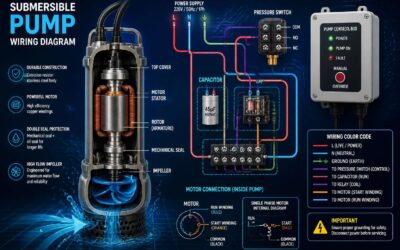
Here are the key components that keep the underground engine singing:
- Sealed motor and pump housing
- Impeller and diffuser
- Mechanical seal with an oil-filled chamber
- Discharge head and electrical cable
- Float switch or pressure sensor
These elements form a compact, patient machine that thrives beneath dust and debris, delivering a steady heartbeat of water when the world above trembles with drought. A quiet, relentless craft, it whispers power into the pipes and keeps life flowing.
Common Uses Across Industries
South Africa’s water lifelines run underground, where machines work out of sight but never out of reach. Across industries, boreholes powered by submersible pumps move millions of litres daily, a quiet liturgy beneath heat and dust. submersible pump is which type of pump? It’s a sealed unit—an integrated motor and impeller housed in water-cooled armor, built to endure life below the surface, I’ve seen the quiet endurance up close.
- Agriculture and irrigation
- Mining and mineral processing
- Municipal water supply and wastewater management
- Construction dewatering and flood control
- Industrial cooling and process water reuse
From drought-wracked farms to busy city services, the appeal lies in resilience and quiet efficiency. Turn a tap, hear the steady heartbeat in the pipe—it’s more than technology; it’s everyday life!
Submersible Pump Types and Applications
Centrifugal Submersible Pumps
Across South Africa, the quiet machinery that keeps wells flowing and crops thriving has a name—submersible pumps. When the night cools and the water glides upward, power underground works with discipline and grace. The question arises: ‘submersible pump is which type of pump?’ The answer lies in its sealed motor and impeller-driven heart, designed to run submerged without air, converting energy into a steady cascade of flow.
Within this realm, the centrifugal submersible pump emerges as a trusted ally. That query, ‘submersible pump is which type of pump,’ often arises for buyers seeking clarity. These devices rely on centrifugal force to push water through stages, delivering consistent head and flow even from deep wells. Multistage variants rise to higher heads, while tough casings withstand SA’s groundwater and mining environments.
- Borehole water supply
- Agricultural irrigation
- Drainage and flood control
- Wastewater handling
Submersible Solar Pumps
Water is the most stubborn of elements, and in South Africa’s shadowed wells it tests every seam of patience. The question “submersible pump is which type of pump” lingers in workshop air, and the answer arrives like a whispered verdict: a sealed motor and impeller-driven heart engineered to live beneath the surface, turning energy into a constant flow. Within this realm, the centrifugal submersible pump stands as a dependable ally, delivering steady head and flow from deep wells, with multistage versions rising to meet taller demands.
Submersible solar pumps bring a sun-kissed resilience to remote sites—quiet, robust, and perfectly suited for South Africa’s sun-drenched landscapes. They fuse renewable energy with durable construction, cutting running costs while weathering the country’s mineral-rich waters. The following types suit diverse terroirs:
- Solar borehole units for remote water supply
- Multistage solar pumps for deeper wells
- Corrosion-resistant casings tailored to groundwater chemistry
Submersible Borehole Pumps
For South Africa’s arid heart, the question “submersible pump is which type of pump” lands with a hushed resonance. Picture a sealed motor, an impeller-driven heart, built to live beneath the surface and turn energy into a quiet, steadfast flow. In boreholes, such pumps prove their mettle by delivering reliable head and endurance.
Submersible borehole pumps tailor to remote supply, from shallow wells to probing depths. Different configurations suit groundwater chemistry and water demand, especially when roving sites rely on solar energy and rugged construction.
- Multistage borehole units for deeper draws
- Corrosion-resistant casings that brave mineral-rich water
- Solar-ready designs that pair with remote power sources
These types weave resilience into everyday life, transforming a stubborn aquifer into a living resource. They offer quiet operation, long service, and a design language that speaks to South Africa’s sunlit landscapes!
Sewage and Grinder Submersible Pumps
In the shadowed arteries of South Africa, a lone inquiry lingers: “submersible pump is which type of pump.” A sealed motor, a heart of steel, lies beneath the surface, turning murk into motion and giving life to quiet, unfaltering flow.
- Sewage submersible pumps move wastewater with solids, using rugged impellers to resist clogs and keep networks flowing.
- Grinder submersible pumps feature an integral cutter that macerates solids before discharge, protecting pipes and pumps alike.
For many South African installations—basements, treatment margins, remote clinics—these machines are the unseen patient, robust enough to withstand harsh chemistry and variable demand, turning submerged pressure into steady, nocturnal service.
Positive Displacement Submersible Units
Positive displacement submersible units carve out a steady hum in even the most stubborn applications, a heartbeat beneath the floor. These pumps trap a fixed volume and push it onward with each cycle, delivering high pressure where centrifugal units falter. In challenging fluids, they shine—viscous slurries, oils, and wastewater that refuse to quit.
- Consistent flow and high pressure with lower output fluctuations.
- Robust handling of viscous liquids and entrained solids.
- Submerged operation that minimizes noise and surface vibration.
That lingering question submersible pump is which type of pump challenges engineers daily. The answer is a sealed, wet-end arrangement that moves a fixed volume with each stroke, delivering dependable pressure beneath the surface. Across South Africa, I’ve seen these Positive Displacement units protect basements, clinics, and remote sites, turning submerged pressure into reliable service.
Performance and Efficiency Aspects
Efficiency Metrics and Energy Savings
Dark corridors of industry hum with the quiet math of efficiency. In South Africa’s water networks, a well-tuned system can trim energy costs by up to 25%, not by magic but by aligning flow, head, and motor torque. The question “submersible pump is which type of pump” is less a riddle and more a clue—these devices fuse a sealed motor with the submerged impeller, delivering continuous performance with minimal leakage and wear.
Performance and efficiency hinge on clear metrics. The main indicators embrace overall efficiency, the specific energy consumption, and the alignment at the best efficiency point (BEP).
- Overall efficiency (hydraulic plus motor)
- Specific energy consumption (SEC)
- Best efficiency point (BEP) and head matching
Energy savings come from proper sizing, adaptive drives, and reduced friction within the sealed environment—allowing steady, dependable flow while the shadows of waste recede.
Selecting the Right Size and Capacity
Across South Africa’s water networks, a well-tuned pump system can trim energy costs by up to 25%—not by magic, but through precise alignment of flow, head, and motor torque. submersible pump is which type of pump? It’s a compact unit that marries a sealed motor to a submerged impeller, delivering steady performance with minimal leakage and wear.
Performance hinges on clear metrics: overall efficiency, specific energy consumption (SEC), and best efficiency point (BEP) and head matching. When BEP aligns with the expected head, energy use drops and reliability rises.
- Load profile and duty variations
- Total dynamic head and suction conditions
- Motor torque and efficiency at BEP
Mis-sizing crafts a path of fluctuating flow and wasted energy, a fate best avoided in utility-scale networks.
Impact of Fluids and Viscosity on Performance
Viscosity is the puppeteer behind the pump’s momentum. When liquids thicken, the submerged heart labours and efficiency slips. Submersible pumps, pressed into boreholes or irrigation lines, crave a precise balance of flow and head. Slightly greater viscosity raises suction losses, nudges torque upward, and shifts the best efficiency point—but a well-matched unit can glide through these currents with calm heat management.
In practice, temperature, contaminants, and fluid personality matter. The wrong fluid can turn a quiet motor into a tiring workhorse. Consider these factors:
- Viscosity shifts the pump curve and suction performance
- Particles and abrasives wear seals and impellers over time
Readers curious about submersible pump is which type of pump, the answer lies in its submerged heart and sealed motor—the compact, rugged ally serving South Africa’s demanding networks.
Control Options and Automation
Performance and efficiency hinge on how quietly a submersible heart can respond to changing demands. People often ask the question, submersible pump is which type of pump, and the answer rests on precise control rather than sheer power. When the load shifts, smartly matched pumps trim energy use, stabilize head, and keep heat in check as the motor turns with steady cadence.
Control options and automation turn that steadiness into reliability. Variable speed drives, soft-start routines, and robust instrumentation let a unit glide from idle to peak flow with minimal surge. Coupled with remote monitoring and alarms, operators in South Africa can fine-tune performance, respond to anomalies, and extend service life without unnecessary maintenance interruptions.
- Variable speed drives optimise flow to demand
- Remote monitoring and fault alarms keep operation proactive
Installation, Maintenance, and Troubleshooting
Installation Best Practices and Safety
During planning, you might ask: submersible pump is which type of pump? The answer: a sealed motor and pump that operate while submerged, ideal for basins and boreholes. In South Africa, installation must align with SANS 10142, respect IP ratings, and ensure secure mounting to handle local dust and heat—even in the harsh SA sun!
Maintenance keeps performance steady. Check seals and insulation for moisture, monitor vibration, and keep intakes clear from debris—simple routines that prevent costly downtime in challenging SA sites.
Troubleshooting and safety go hand in hand. If performance falters, verify power and grounding, then confirm the unit remains submerged. For quick checks, consider:
- Seals and insulation for moisture or cracks
- Electrical grounding and protective devices compliant with local codes
- Debris in the intake and stable mounting
Maintenance Schedule and Common Wear Parts
“Maintenance isn’t glamorous, but it’s cheaper than a flooded motor.” submersible pump is which type of pump, and the answer is simple: a sealed motor and pump that operate while submerged, ideal for basins and boreholes. Installation should secure the unit, respect submersion depth, and shield it from SA dust and sun—small choices that prevent big headaches.
Maintenance schedules keep uptime honest. Simple checks—seals and insulation for moisture, vibration monitoring, and clean intakes—should occur regularly. In South Africa, account for heat and dust, and log findings to catch wear before it interrupts service.
Troubleshooting and safety go hand in hand. If performance falters, verify power, grounding, and that the unit remains submerged. Common wear parts deserve proactive attention:
- Seals and insulation
- Bearings and impellers
- Gaskets and housings
- Electrical cables and windings
Troubleshooting Common Issues
In South Africa’s harsh heat and gritty dust, installation decisions determine reliability. I’ve learned that the question submersible pump is which type of pump has a clean answer: a sealed motor and pump that operate while submerged, ideal for basins and boreholes. Secure the unit, respect submersion depth, and shield it from dust and sun—small choices, big headaches averted!
Maintenance keeps uptime honest. I favour regular checks on seals and insulation for moisture, vibration trends, and clean intakes. In our heat-soaked environment, log findings to catch wear before it interrupts service.
Troubleshooting is about pattern recognition more than guesswork. When performance falters, verify power and grounding, and that the unit remains submerged. Look to common wear parts, including:
- Seals and insulation
- Bearings and impellers
- Gaskets and housings
- Electrical cables and windings
Upgrading and Retrofitting for Modern Systems
Installation in South Africa’s sun-bleached, dust-choked landscapes demands careful placement. Mount on a stable pad, respect submersion depth, and shield the unit from dust and UV. The curious question “submersible pump is which type of pump” reveals the answer: a sealed motor paired with a submerged pump that stays cool and content in its watery trench.
Maintenance keeps uptime honest. In our heat-soaked realm, regular checks on seals and insulation, watching for moisture and subtle vibration shifts, and ensuring clean intakes help avert surprises. A simple maintenance log becomes a weathered map, guiding you to wear before it interrupts service.
Upgrading and retrofitting for modern systems means inviting smart monitoring, robust materials, and energy-efficient motors into the same heart. Consider corrosion-resistant alloys, sealed enclosures, and solar-ready power options to extend life and performance without the drama of a full replacement.
0 Comments