
Understanding Submersible Pump Rentals for Pool Draining
Why Renting Beats Buying for Occasional Pool Maintenance
Roughly 50,000 litres of water sits in the average South African pool, and none of it leaves without a fight. When that fight involves a reline or a stubborn algae bloom, most homeowners reach for the wrong tool: a borrowed garden hose and an afternoon of regret.
I have watched neighbours buy transfer pumps for a single job, only to let them gather rust in the garage. For the occasional operator, a submersible pump to drain pool rental is the wiser arrangement. The supplier handles delivery, collection, and the heavy duty machinery, while you pay only for the days the pump actually works for you.
- No storage between uses
- No maintenance or service costs
- No capital outlay for equipment you rarely touch
Renting keeps your cash handy and your garage clear for other pursuits.
Key Terminology and Pump Types Explained
Most rental catalogues list flow rate in bold letters, then bury head height in a footnote. That footnote is where the real work happens! Head height is the vertical distance the water must travel, and a submersible pump to drain pool rental with impressive litres per hour will still stall if the hose runs uphill too far. I have watched rentals fail this way more than once.
Two pump families dominate the rental yard:
- Clean water pumps for clear pool water
- Dirty water pumps for sludge and algae debris
The dirty water variety handles solids up to a certain diameter, which matters when your pool resembles a swamp more than a swimming pool. Terminology like ‘float switch’ and ‘automatic shut-off’ also deserves attention. The float switch stops the pump when the water level drops, saving it from running dry.
How Submersible Pumps Work in Pool Applications
A swimming pool full of stagnant water looks harmless. It is not. Beneath that still surface, a quiet ecosystem is staging a coup, breeding mosquitoes and turning your backyard into a science experiment gone wrong. A submersible pump to drain pool rental is the fastest way to restore order, and understanding the mechanics makes the job a whole lot easier.
These pumps operate on a simple principle: they sit at the bottom of the water and push the liquid upward through a discharge hose. Because they work submerged, they do not require the “priming” that many above-ground pumps demand. That alone saves you from the exhausting ritual of pouring water into a hose and hoping for the best. You simply drop the unit, plug it in, and walk away.
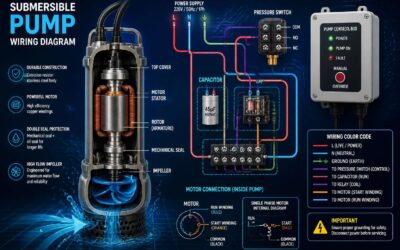
The real magic happens when you consider the internals. The impeller, a spinning disc with fins, creates a pressure difference that forces water into the intake. The motor is sealed in an oil-filled chamber to keep electricity away from the water, a design detail that is both brilliant and critical. Most rental units feature a float switch that activates the motor once the water level rises above a certain point.
– Check the intake strainer to prevent debris from clogging the system.
– Match the pump’s output to your pool’s volume for efficient draining.
– Position the discharge hose on a slope to prevent backflow.
For a job that takes a few hours, renting is the financially sane choice. Purchasing a unit for a single drain is a waste of cupboard space and cash. The sight of a clean pool floor, free of green slime and your slimy brothers from the deep, is pure satisfaction. When you hand the machine back, you will feel a smug sense of victory, knowing you conquered the swamp without breaking a sweat. It is a small win, but on a hot day, it feels monumental.
Common Scenarios That Require a Pool Drain Pump
A summer thunderstorm dumps 100mm of rain into your pool overnight. The water level climbs past the skimmer and the chemical balance flips. That is when you need a submersible pump to drain pool rental. It does not matter if the pool is green, muddy, or just too full; the pump clears the excess fast.
Other situations demand the same action. An algae bloom often requires a complete drain to scrub the liner. Tiles need descaling, and structural inspections require an empty basin.
- Heavy rain flooding
- Algae remediation
- Repairs or resurfacing
Recognise the signs early. Check the local hire shop for a submersible pump to drain pool rental suitable for your pool’s depth and volume. Acting fast prevents damage to the liner and the pump.
Evaluating Your Pool’s Drainage Needs Before Renting
Calculating Pool Volume and Drain Time
The average South African pool holds around 40,000 litres, yet most homeowners overestimate their drainage requirements. Before you secure a submersible pump to drain pool rental, measure your pool’s dimensions. A rectangular pool’s volume equals length times width times average depth. For kidney shapes, multiply surface area by depth, then add 10% for curves.
Rental agreements often specify maximum flow rates. A pump moving 10,000 litres per hour drains a standard suburban pool in four to five hours. But watch for factors like clogged filters or low water levels that slow discharge. If your pool sits below the municipal sewer line, you will need a longer hose or an auxiliary tank.
Consider these calculations before booking your submersible pump to drain pool rental:
– Surface area in square metres
– Average depth in metres
– Water volume in litres (multiply by 1,000)
Most rental units handle volumes up to 60,000 litres per session. Matching pump capacity to your pool’s exact output prevents overpaying for unnecessarily large equipment.
Matching Pump Horsepower and Flow Rate to Your Pool
The moment you underestimate your pool’s drainage needs, the rental process becomes guesswork. Matching a submersible pump to drain pool rental requires more than picking the biggest unit on the shelf. Horsepower determines lift capacity, while flow rate dictates how quickly water moves. A 1.5 horsepower pump may shift 12,000 litres per hour, but only if the discharge hose stays clear and the pump sits below the water surface.
Evaluate your setup before committing to any submersible pump to drain pool rental:
– Distance to discharge point
– Vertical lift to hose outlet
– Debris that could choke the intake
These factors shift effective performance. In my experience, a higher lift reduces flow rate, so a pump that looks adequate on paper could fail in practice. Cross-check the rated flow against your measured conditions. That extra minute prevents a frustrating afternoon!
Identifying Power Supply and Extension Cord Requirements
Before you even think about the machinery, take a good, hard look at the water you are trying to move. A pool that looks like a murky swamp presents a different challenge than one that is merely slightly overfull after a week of rain. The distance from the water’s edge to your chosen discharge point is the first major variable, as every metre of hose creates resistance. You also need to account for the vertical rise, because lifting water uphill is significantly harder than pushing it across a flat lawn. Ignoring these physical realities will lead you to rent a submersible pump to drain pool rental
that is either overkill for the task or, worse, one that burns out before the job is done.
Once the logistics of the drainage path are clear, you have to consider the power source. This is a step that many people overlook until they are standing ankle-deep in water with a dead extension cord. You need to verify that your outdoor electrical outlets are properly grounded and equipped with a Ground Fault Circuit Interrupter. The distance from your house to the pool will dictate the gauge of extension cord you require, and using a cord that is too thin for the amperage draw is a guaranteed recipe for a tripped breaker or a fried motor. Think about these requirements simultaneously, because the pump’s location often forces you to run a cord across a patio or through a garden, which introduces trip hazards that need to be managed.
With the route and the electricity sorted, you can turn your attention to the specific details that separate a smooth operation from a constant battle. There are a few small pieces of preparation that make a substantial difference:
– Check the pump’s intake screen placement, ensuring it sits off the bottom to avoid sucking up sand and grit.
– Have a spare discharge hose on hand, as kinks are almost inevitable and a backup keeps you moving.
– Plan to monitor the water level closely, because most pumps are not designed to run dry.
These checklist items might seem minor, but they prevent you from making an emergency trip back to the rental shop. The time spent confirming your power supply and hose layout is an investment, and it pays off in avoiding the frustration of a stalled pump. By handling the electrical and logistical details first, you allow the equipment to work as it was intended, turning a potentially tedious chore into a straightforward, efficient process.
Assessing Debris and Sediment Levels: Clean vs. Dirty Water Pumps
Underestimating what lurks beneath the surface is a classic mistake. Before you commit to a submersible pump to drain pool rental, assess the water’s true character. Is it merely rain-fresh, or has it developed a murky, green tint with leaves and silt settled on the floor? This distinction is critical. A standard pump handles clear water with ease, but debris will clog a small intake in minutes, leaving you frustrated and stalled mid-task.
Consider the depth of the pond or flooded area. Deeper water increases the pressure on the discharge line, which your pump must overcome. Also, evaluate the solid content; if the water looks like a swamp, you need a trash pump designed to chew through muck. Choosing the wrong submersible pump to drain pool rental means risking a burned-out motor or constant clogs. Your assessment dictates success, ensuring you are not left standing in the mud with a broken tool and a stalled task.
Checking Hose Diameter and Discharge Distance
The measurement felt wrong, so he measured again. The distance from the pool deck to the storm drain was deceptively long, a concrete serpent winding around the garden. This is the moment where most DIY draining attempts die, not with a roar, but with a pathetic gurgle. You are not just renting a motor and a housing; you are renting a specific volume of water movement, and that volume means nothing if you cannot move it away.
Before you sign anything, evaluate the path your water must travel. The pump does not care how much water is in your pool if it has nowhere to go. You must account for the vertical lift, the horizontal distance, and the friction loss in between. A longer or narrower hose creates back pressure that throttles your flow rate. This one metric changes everything about your submersible pump to drain pool rental.
Here is the trap most people fall into. They see a hose and assume it fits. The fitting matters, but the interior diameter matters more. Check the connection before you leave the shop.
– Measure the distance from the pump to your discharge point.
– Check the maximum vertical lift the pump can handle.
– Account for any kinks or bends, as they ruin efficiency.
If the hose must travel uphill, the pump works harder. If the distance exceeds 30 metres, the friction can cut your flow rate in half. You showed up for the heavy lifting, the dirty work, the victory lap of watching stagnant water vanish. Do not let a bad pipe dream ruin the party. Plan the route, measure the drop, and secure the right submersible pump to drain pool rental for the job. The water will find the way out, but only if you clear the path first.
Where and How to Rent a Submersible Pump
Equipment Rental Stores vs. Online Rental Platforms
Most of the heavy lifting is done once you know your pump specs. The real challenge starts when you look for the actual unit. In South Africa, the rental landscape for a submersible pump to drain pool rental has two distinct paths, each with its own rhythm.
Local equipment rental stores, like those found in industrial areas of Johannesburg, Cape Town, or Durban, offer tangible reassurance. You can walk in, heft the machine, and speak directly to a technician. This face to face interaction matters when you are staring at a flooded yard and a deadline. You can physically inspect the power cord for wear and the hose fitting for cracks before you sign the docket.
Online rental platforms provide a different utility. They offer the convenience of browsing stock from your couch and the ability to compare pricing across multiple suppliers instantly. The benefit here is time. You can filter for a 1.5 HP unit in seconds and have it delivered to a site in Pretoria or a farm outside Stellenbosch without negotiating traffic.
– Local stores offer immediate availability and expert advice.
– Online platforms allow for quick price comparison and scheduled delivery.
– Local stores require a vehicle with enough space for transport.
– Online platforms often include delivery and pickup in the rental fee.
Whichever route you choose, always confirm the specific pump’s condition and verify that the discharge outlet matches the hose diameter you have prepared. A verified rental saves you the frustration of a second trip. The chosen path depends on your proximity to a supplier and your comfort with remote transactions. Both avenues serve the same goal, getting the water moving.
Understanding Rental Rates, Deposits, and Late Fees
What’s Included in a Standard Pump Rental Package
Finding the exact apparatus for this task is less an expedition and more a matter of local logistics. Your first port of call should be a dedicated equipment rental store, where the staff can match the unit to your pool’s volume without guesswork. Online platforms offer convenience, but they cannot inspect the condition of the pump before you take possession. A physical visit allows you to check the intake screen for blockages and confirm the seals are intact, which is the difference between a clean operation and a murky ordeal.
A standard package for a submersible pump to drain pool rental typically includes the core components and nothing more. Expect a power cord of adequate length, a discharge hose, and often basic hose clamps. Here is what you will usually find in the crate:
– The pump unit itself, with a debris filter attached
– A power cable, usually about 10 metres long
– A quick-connect coupling for the standard garden hose or a 25mm discharge line
If you are hiring from a larger operation in Johannesburg or Cape Town, the setup might include a float switch for automatic shutoff. The rental agreement will specify the run time, so inspect the hose for kinks before you leave. Most units are ready to be lowered into the water and operate with a simple plug, but the choice of pump depends on the murkiness of the water. A clean water pump is lighter, while a sludge handling variant is fitted with a wider impeller to pass debris without clogging. The machinery sits in the deep end, connected to the drain, and the water dissipates in a fraction of the time it would take with a bucket brigade.
Choosing the Right Pump Accessories: Hoses, Adapters, and Strainers
Finding a submersible pump to drain pool rental in South Africa involves more than a hasty online search. Visiting a hire depot in person, particularly in Johannesburg, Cape Town, or Durban, lets you inspect the strainer basket and confirm the power cable reaches your nearest socket. Hearing the impeller spin up in the depot yard is worth every second!
Accessory choices separate a straightforward drain from a frustrating one. The discharge hose must match the pump outlet, and the adapter should fit your pool’s skimmer or sump opening. A strainer with a wider mesh suits debris-heavy water, while a fine mesh protects the impeller in cleaner conditions. I always check the hose diameter, since a narrow line reduces flow noticeably over a long run.
- A 25mm lay-flat hose with brass couplings
- A threaded adapter for the pump outlet
- A leaf strainer rated for high flow
Inspecting the Pump Before You Leave the Store
In South Africa, the surest path to a submersible pump to drain pool rental begins at a dedicated hire depot rather than a general tool shop. Depots in Johannesburg, Cape Town, and Durban carry multiple pump classes, and their staff often know which model suits a 50,000 litre residential pool. Ask for the rental ledger to see how recently a unit was serviced; that record tells you more than any spec sheet.
Before you sign for your submersible pump to drain pool rental, inspect the unit in the yard. Check the electric cable for cracks, the impeller housing for debris, and the float switch for free movement. Run it in a water trough if the depot allows. A unit that starts instantly and hums steadily will likely finish the job.
- Confirm the cable length reaches your socket without an extension
- Look for rust or corrosion on the base plate and handles
- Test the strainer basket fit against the intake
A careful inspection now prevents a wasted trip later. The depot’s return policy matters, but a dry run matters more.
Step-by-Step Guide to Draining Your Pool with a Rental Pump
Preparing Your Pool and Yard for Drainage
Before that submersible pump to drain pool rental hums to life, the real work happens at the waterline and beyond. I’ve watched too many neighbours skip this phase, only to battle muddy swales and clogged drains for days. Start by clearing the immediate perimeter. Move potted plants, lawn furniture, and anything that might obstruct your discharge hose path. Then, check your drainage destination. You need a spot that can absorb thousands of litres without flooding your neighbour’s rose bed.
Here’s the sequence I follow before lowering the pump:
1. Sweep the pool deck to keep debris from washing back in.
2. Trim overhanging branches that could drop leaves mid-drain.
3. Test your garden tap flow to confirm your hose can handle the output.
Finally, walk the yard after a light rain. That tells you where water naturally pools, so you can aim the hose accordingly!
Positioning the Pump and Discharge Hose Safely
Every centimetre of pump tilt adds minutes to your drain time. Start by lowering the submersible pump to drain pool rental onto the deepest flat section of the pool floor. A pump perched on a slope sucks air once water levels drop, and air locks kill efficiency. Use a rope attached to the handle to guide it down; do not throw it. Once seated, give the hose a tug to confirm no kinks form at the connection.
Run the discharge hose uphill if the terrain allows. This prevents water from backing into the pump when you switch it off. Secure the hose at the pool edge so it cannot whip around during startup. Here is the sequence I use for safety:
- Set the pump on a level surface at least 30 cm fromthewall.
- Lay the hose straight, avoiding dips where standing water collects.
- Check the outlet end is anchored so it does not spray onto walkways.
That routine keeps the submersible pump to drain pool rental working at full capacity, and keeps youdry from head to toe!
Connecting Power and Starting the Pump
Connecting the power is when most things go wrong. I have seen melted plugs and dead pumps from rushed setups. With a submersible pump to drain pool rental, always read the amp rating on the plate before you choose an extension cord. A thinner cord can starve the motor and melt the insulation. Use a heavy-duty outdoor cord and plug into a GFCI outlet, especially if the pool deck is wet.
Before switching on, do these three checks:
- Confirm the pump switch is off.
- Secure all connections away from standing water.
- Lay the cord without loops that can trap heat.
Then switch it on. The pump should sputter once, then settle into a steady rhythm. If it stays silent, switch it off immediately. Check the strainer basket for air locks, then restart. That simple ritual keeps the submersible pump to drain pool rental running without drama.
Monitoring Water Levels and Preventing Dry Running
As the water level drops, the pump begins to strain. Once the pool’s surface falls below the intake strainer, the pump gulps air instead of water. A submersible pump to drain pool rental can overheat and seize within minutes if it runs dry, which is why your eyes must stay on the waterline.
The final foot of water demands close attention. Turning off the pump when the intake breaks the surface prevents the frantic last dash. Sweep remaining water toward the strainer, or tilt the pump into the shallow end for a final pass.
Watch for the natural whirlpool that forms as the level drops. That vortex pulls air into the housing and reduces flow. When you see the spinning water, shut the pump down immediately.
I prefer to check every ten minutes during the final stage. The pump’s hum changes pitch when it draws air.
Avoiding Common Obstructions and Air Locks
The pump’s hum changes pitch when it draws air, but a strained groan often means an obstruction. Leaves, twigs, and grit love to clog the strainer basket. When flow slows yet the motor sounds laboured, you face a blockage, not an empty pool.
Check the discharge hose first for kinks, then inspect the strainer foot. A submersible pump to drain pool rental handles this work well, but it still needs a clear path. Common culprits include:
– A strainer wrapped in plastic or fabric debris.
– A crushed or folded discharge hose.
– A discharge line that rises too high above the pump outlet.
Air locks plague beginners. This happens when air gets trapped in the hose and stops the water column. The pump spins, yet nothing moves. Lay the hose flat on the ground and let it fill with water before starting. If air bubbles stall the flow, disconnect the hose and let it breathe, then reconnect. Reposition the pump to the pool’s deepest point and try again.
Safely Pausing or Terminating the Rental Period
Weather can interrupt your draining schedule, so know how to pause the submersible pump to drain pool rental without losing your deposit. Switch off the pump at the power source, not just the float switch. Disconnect the discharge hose and coil it loosely. Store the pump in a dry area, away from direct sunlight.
When ready to resume, reconnect everything and check the water level before restarting. Your rental agreement will state whether extra days count as a new billing cycle. Most suppliers charge per 24 hour period.
Terminating the rental period follows a similar rhythm:
- Confirm the return window with the supplier.
- Drain residual water from the pump body and hose.
- Wipe down the unit to remove pool chemicals and debris.
- Coil the hose and pack all accessories back into the crate.
A clean return avoids cleaning fees and keeps the submersible pump to drain pool rental process smooth.
Maintenance, Safety, and Environmental Considerations
Local Water Disposal Regulations and Permits
The City of Cape Town can fine property owners up to R5,000 for unpermitted water discharge into stormwater systems. That fact alone should shape your approach to any submersible pump to drain pool rental project.
Proper maintenance of rented equipment extends beyond returning it clean. You must inspect the intake strainer after every pumping session. Sediment accumulation impairs performance and could result in additional cleaning fees from the rental provider. A thorough rinse with fresh water prevents chlorine damage to the unit’s seals.
Safety considerations multiply when handling large volumes of water near electrical sources. Position all connections away from puddles and damp ground.
– Verify the residual current device before each use
– Keep the power source elevated on a dry platform
– Never operate the pump with frayed cabling
Environmental regulations vary dramatically between municipalities. Johannesburg Water requires permits for discharges exceeding 10,000 litres per day. Durban’s eThekwini municipality demands pH testing documentation before allowing pool water into sewage lines. Your monthly water statement often reveals the local bylaws governing this process. The National Water Act also prohibits directing chlorinated water into natural waterways, regardless of your property’s location. Check with your metro’s water services department before scheduling your rental window.
Preventing Pump Overheating and Electrical Hazards
Your submersible pump to drain pool rental might survive the water, but it won’t survive your neglect. Overheating happens when the pump runs dry or the strainer chokes on leaf debris. Give it a break every twenty minutes. Rinse the intake strainer after each session, because chlorine eats rubber seals.
Safety around electricity demands respect. Position the power source on a dry platform, elevated. Check the residual current device before every use. If the cable looks frayed, stop.
- Keep connections away from puddles.
- Never run the pump with a blocked strainer.
- Monitor water levels.
Your municipal bylaws might require permits, but no permit covers a damaged motor. Treat the pump with care, not contempt.
Managing Debris Clogs and Keeping the Pump Screen Clear
Pool water is a brew of silt, leaves, and the odd forgotten toy, not a clear mirror. A submersible pump to drain pool rental will dutifully pull that murky mix, but its appetite for solids has limits. The strainer screen is the gatekeeper, and when it packs with muck, the motor works twice as hard to move half the water. You hear the pitch change, a strained hum. That is the sound of your rental agreement turning expensive.
The battle is against the fine sediment that settles into suction dead spots along the sump basin. That silt soup can slip past a coarse basket and wrap around the impeller vanes. Check the screen with a torch before you drop the pump in, and again each time you wade out to reposition the hose. A quick rinse with a bucket of pool water beats scraping dried crud with a screwdriver later. In these rural settings, a clogged inlet is often the difference between a quick job and an afternoon of cussing.
Environmental care enters where the water lands. That debris you freed from the screen goes somewhere down the discharge line, often into a storm drain or the veld. Look for clumps of vegetation blocking the pump’s intake and clear the area around the pump base first. On mucky days, run the pump in short bursts and let the water settle before the next pull. You protect the pump and the ground you stand on.
– Inspect the screen every twenty minutes for hair, grass, and leaf fibre.
– Keep the pump base clear of flat rocks that can seal off the inlet.
– Use a torch to spot hairline cracks in the screen mesh before they become tears.
The water that looks clean from the top often hides a slurry of beach sand and ash at the bottom, the kind that abrades the housing. Let the pump rest, let the strainer breathe, and the rental stays in one piece for the next farmer who needs it.
Cleaning and Returning the Rental Pump
Returning a submersible pump to drain pool rental without cleaning it first is a gamble. The sludge that settled in the housing while you drained the pool hardens into a crust that the next renter will blame on you. Rinse the unit with fresh water, not pool water, to remove chlorine residue that corrodes seals. Dry the exterior before loading it into your bakkie.
Safety matters here. The power cable can carry moisture into the motor if you coil it wet. Wipe it down and inspect for cuts from the pool edge. Environmental care extends to the return trip. Never dump leftover discharge water near a drainage ditch.
– Check the strainer basket for trapped debris.
– Inspect the impeller for wrapped fibres.
– Confirm the float switch moves freely.
A clean return of your submersible pump to drain pool rental means the deposit comes back and the pump stays reliable for the next farmer.
Eco-Friendly Drainage Alternatives and Water Reuse Options
A pump that runs dry destroys itself. That is why maintenance on a rented submersible pump to drain pool rental starts before the water level drops too low. Keep the intake screen clear of leaves and grit. The motor needs a consistent flow to cool itself. Shut the unit down while water still covers the intake.
Safety follows the same logic. Dry hands, a dry plug point, and a residual current device cover most risks. Keep children and animals away from the discharge area. The hose whips when the pump surges.
Environmental considerations reward patience. Pool water with balanced pH can irrigate the garden or wash the driveway. High chlorine levels fade when the water rests in a holding tank for a few days. Water reuse options depend on local bylaws.
- Direct overflow onto lawn or permeable paving
- Neutralise chlorine before release
- Check local bylaws for grey water use

0 Comments