
Choosing the Right Submersible Pump for a Home Well
Assessing Well Depth and Yield
In South Africa, reliable water is a quiet hinge on which daily life turns; surveys show households with the right technology report up to 30% fewer outages when a well with submersible pump is matched to depth and yield. The choice isn’t glamorous, but it pays in steady pressure and peace of mind.
Selecting the right system starts with the depth and yield hidden in the well. A deeper water source requires more head, while higher yield demands a pump capable of moving that water efficiently.
- Well depth and static water level
- Sustainable yield and pumping rate
- Electrical supply and power efficiency
With these clues, the right well with submersible pump can transform a quiet bore into a reliable life source, quietly delivering water when it’s needed most.
Pump Power and Flow Rate
In South Africa, households with a properly matched water system report up to 30% fewer outages, a quiet testament to smarter choices behind the pump.
For a home, the trick is a well with submersible pump that balances head and flow, delivering steady pressure without the drama of a dwindling supply.
Key considerations unfold quietly around three pillars.
- Head and pumping requirements align with your water draw
- Motor efficiency and power draw prevent surprises on the bill
- Electrical supply stability supports consistent performance
Power, pressure, and patience—your choice should feel like a whisper, not a shout, across the taps.
Material and Durability
Choosing the right well with submersible pump starts with the material and how long it will last. In South Africa, sand, minerals and fluctuating power push a unit to its limits, so durability isn’t flashy — it’s practical. A stainless-steel or high-grade cast-iron exterior with tough seals wards off corrosion and wear. Inside, a robust motor and reliable bearings keep performance steady for years to come. The goal is simple: a pump that endures, quietly supporting your home.
- Corrosion-resistant housing for mineral-rich water
- Double-sealed motor to guard against groundwater intrusion
- Ceramic or tungsten carbide bearings for grit and sand
- Availability of local parts and straightforward service
Material and durability choices shape the lifetime of a well with submersible pump. A supplier with solid parts, clear warranties, and local service keeps downtime to a minimum and your water reliable.
Energy Efficiency and Operating Costs
Electric bills can surge when a well runs hard, and South African homes know this all too well. The right energy-efficient choice begins with a well with submersible pump. It’s not flashy—it’s practical—delivering steady flow while keeping power use predictable, even when the grid flickers.
Energy efficiency means matching motor size to demand, reducing throttling, and choosing durable components that shrug off sand and minerals without wasteful wattage. A pump with a high-efficiency motor and robust seals hums like a quiet guardian, keeping water steady and costs calm.
To curb operating costs, look for features that protect performance and extend life:
- Efficient motor design
- Double-sealed housing for mineral-laden water
- Reliable bearings to handle grit
Installation Basics for a Submersible Well Pump
Before You Begin: Permits and Safety
Water is life, especially in South Africa, and a precise installation is the heartbeat of a reliable well system. Before you start, the right permit checks and strict safety discipline keep the project honest and durable.
Local authorities or your municipality may require approvals for boreholes, and electrical standards must be met. For a well with submersible pump, clean work spaces, proper lockout-tagout, and clear communication save time and nerves on installation day.
- Permits and approvals for boreholes
- Site safety readiness and PPE requirements
- Electrical isolation and grounding standards
- Casing integrity and sealing considerations
With permits in place and safety routines solid, the stage is set for a professional, long-lasting installation that respects both the water and the land.
Drop Pipe and Casing Considerations
One misaligned drop pipe can shave years off a borehole’s life, and from experience I’ve learned that the fix is often simple: getting the drop pipe and casing right is the quiet backbone of reliability. In a well with submersible pump, the way the pipe enters the water and nests within the borehole shapes efficiency, vibration, and longevity. This is where geology meets engineering, and small decisions ripple through years of performance.
Drop pipe materials should resist groundwater chemistry and freezing in South Africa’s varied climates; casing sealing guards against surface contamination and well collapse; proper alignment and support reduce strain on the pump while the annulus remains protected.
- Material durability and groundwater compatibility
- Proper alignment, support, and buoyancy management
- Sealing, grout, and annulus isolation to prevent contamination and water ingress
These considerations knit together efficiency, reliability, and the long, quiet life of the system within the soil and water table.
Electrical Requirements and Wiring
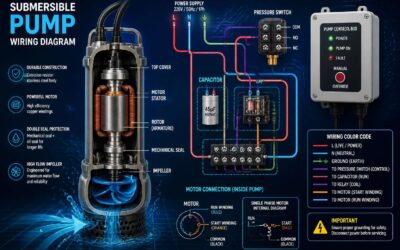
A brisk truth about power and water in South Africa’s harsh climates: a well with submersible pump relies on a calm electrical heartbeat. Voltage, phase, and protection must align, or the system fatigues in the bowels of rock and sand. “Power is destiny when wiring is honest,” a veteran installer likes to say.
- Dedicated circuit with correct gauge
- Moisture-rated connectors and sealed enclosures
- Ground fault protection and bonding
Electrical requirements and wiring form the spine—necessary, unglamorous, and essential for durability. In my experience, a well with submersible pump asks for a calm electrical environment where the supply remains stable and connections stay dry, ensuring years of quiet performance.
Priming and Start-Up Procedures
The well with submersible pump begins its quiet tale. No priming ritual, just a submerged heartbeat that keeps pressure steady and water moving. Start-up is a patient ritual—softly listening for seals, bearing wear, and a steady electrical rhythm—as the system settles into a long life in South Africa’s harsh climate.
In this subtle choreography, the discharge path and housing must breathe cleanly and stay dry. Consider these non-technical truths to frame the moment without disrupting the flow:
- A submersible setup largely eliminates priming concerns, with the pump already submerged
- Keep the intake and outlet routes clear of debris to maintain smooth flow
- Ensure a steady, protected electrical supply and secure bonding for safety
Maintenance and Longevity of Submersible Pumps
Regular Inspection and Cleaning
In the hush of the borehole, the well with submersible pump keeps a silent vigil beneath the earth. Maintenance becomes a ritual of listening—checking for odd vibrations, unusual noises, and signs of wear. Longevity, after all, is a cadence you learn to keep.
- Regularly inspect the pump head and power cable for cracks or corrosion
- Clean intake screens and remove debris that could choke the flow
- Verify seals and bearing condition during service visits
From dusk to dawn, a monitored system holds back the shadows and ensures a steady yield. A well thrives when treated as living machinery—clean, secure, and watched, not neglected.
Seal and Bearing Maintenance
Industry data shows up to a third of downtime in water systems is linked to worn seals and bearings, a quiet alarm beneath the soil. In a well with submersible pump, longevity begins with listening—watching for odd vibrations and signs of wear that hint at what lies ahead.
Seal and bearing maintenance keeps that underground heartbeat steady. Regular checks prevent sudden failures and protect efficiency.
- Inspect mechanical seals for leaks, cracks, or corrosion
- Assess bearing condition and lubrication; replace worn components
- Monitor vibration and shaft alignment during routine visits
Treat it as living machinery—clean, secure, and watched—so the well with submersible pump serves quietly for years, even through South Africa’s varied climates.
Troubleshooting Common Faults
A quiet vibration can betray a long-term fault in a well with submersible pump, and South Africa’s varied climates only amplify it. A reliable rhythm is a rare reward; stray creaks and flickers tell stories of wear before the flood of downtime arrives.
Maintenance and longevity hinge on recognizing symptoms without dramatic speculation. Common faults include unusual vibration, erratic flow, and motor overheating, each a clue rather than a verdict. Troubleshooting focuses on listening to the machine’s signals rather than forcing a fix.
- Unusual vibration or pulse shifts
- Reduced water flow or pressure
- Overheating motor or audible clicking
With careful observation, the system can stay steady and quiet through the harshest seasons.
When to Replace vs Repair
Water is stubborn poetry, etched in the land of South Africa. A well with submersible pump, when tended with quiet care, can outlive harsher cycles by a surprising margin—sometimes up to 40% longer life.
Longevity hinges on reading the machine’s moods: when a faint hum returns, or cooling loses its resolve, the decision between repair and replacement becomes clear. Patience pays!
Consider these criteria when weighing repair against replacement:
- Age and accumulated wear
- Repair costs relative to a fair replacement
- Downtime and reliability expectations
- Availability of parts and local service support
In quiet certainty, a well chosen course preserves the dream of steady water and dignified expenditure, season after season.
Extend Lifespan with Proper Dosing
In the heat of a South African afternoon, a well with submersible pump keeps life flowing where it matters most. A steady hum, a few cues about wear, and you’ll see up to 40% longer life when the pump is tended with quiet care. Longevity comes from reading the machine’s moods—subtle changes in sound, vibration, and temperature—and choosing patience over panic.
- Proper dosing guides the balance between protection and performance, tailored to local water conditions.
- Avoid letting grit and sediment creep into the intake by mindful water quality awareness; this preserves efficiency and reduces strain.
- Keeping concise records of service, hours run, and notable quirks helps guide future decisions and safeguard reliability.
With a steady rhythm of care, the well and its pump become more than hardware—they are a quiet lifeline for homes and farms, season after season.
Energy Efficiency and Cost Savings
Energy Efficiency Basics
Power with purpose—that’s the quiet engine behind a well with submersible pump. In South Africa, where electricity is precious and water scarce, a well-managed system can shave energy costs while preserving reliability. When the right balance of flow and head is struck, every watt becomes a steadfast ally, turning long droughts into manageable seasons.
Energy efficiency basics start with proper sizing, a modern, efficient motor, and controls that match demand. A well-tuned setup with variable-speed drive can smooth flow, cut starts, and draw more value from every kilowatt—without sacrificing yield or pressure.
Key steps to embrace this efficiency:
- Where pump power aligns with the well yield, energy draw becomes modest and predictable.
- A variable-speed drive supports steady flow under fluctuating demand and helps reduce peak energy use.
- Tight electrical connections and sound seals prevent energy loss and leakage, extending life and lowering running costs.
Advanced Drive Options
Power is the silent partner in every well. “Efficiency is the art of turning demand into harmony,” a seasoned technician whispered, and in South Africa that harmony saves more than money—it sustains communities. A well with submersible pump benefits when a drive option aligns with flow and demand, smoothing starts and trimming waste. When electricity costs bite, every watt deserves purpose and pace.
- Soft-start routines reduce inrush and wear
- Variable-speed drives modulate speed to match head and flow
- Smart controls monitor pressure, run hours, and energy use
These advanced drive options don’t just cut bills; they extend life and resilience for the system, ensuring steady yield through drought and peak loads.
Seasonal Load Management
South Africa’s power volatility is famous; every kilowatt saved is a rand earned. Energy efficiency isn’t a fad; it’s a shield against rising tariffs. A well with submersible pump that respects demand keeps water flowing and the bill sane.
Seasonal load management turns energy into a rhythm the grid can applaud. Off-peak pumping and smarter duty cycles let a well with submersible pump sip energy, not gulp it, smoothing starts and trimming waste.
- Tariff-driven energy patterns shaping pumping behavior
- Demand smoothing emerges as a function of system design and control
- Weather variability driving the need for a steady yield
These choices pay in reliability and long-term resilience, proving that the well with submersible pump can endure droughts without drama and with a friendlier energy bill.
Budgeting for Replacement and Upkeep
In a grid that shivers on South Africa’s hottest days, every watt saved is a rand earned. The tale of water and power favors patient efficiency—quiet motors, smart controls, and reliable yields that keep taps flowing and bills from buckling.
- Upfront capital vs. long-term savings
- Spare parts availability and lead times
- Service contracts for predictable maintenance
For a well with submersible pump, replacement budgeting becomes a steady pledge: weigh initial costs against ongoing operating expenses, plan for parts and training, and align upkeep with seasonal demand to preserve reliability without costly surprises.
Safety, Compliance, and Best Practices
Electrical Safety and Grounding
Power is a temperamental guest; a well with submersible pump sings in tune only when grounded. ‘Ground first, trust later,’ a veteran electrician likes to quip, and the wisdom sticks—safety today saves costly interruptions tomorrow!
South Africa’s electrical standards, notably SANS 10142-1, place sturdy safety and reliable grounding at the top of the checklist for any installation exposed to damp and dust. For such installations, an earth path that remains uninterrupted under rain is crucial, as is moisture-proofing of enclosures.
Respecting these principles reduces risk, extends equipment life, and keeps South African communities thriving where groundwater meets modern ingenuity.
Water Quality and Filtration
Water is a quiet force; neglect it and a well with submersible pump can whisper away efficiency! In South Africa, groundwater management hinges on a reliable install that respects safety and standards.
Safety, compliance, and best practices form the framework. SANS 10142-1 anchors the approach, but practical thinking keeps systems resilient against damp and dust. Grounding, enclosure integrity, and moisture control stay front and center.
- Maintaining water integrity safeguards equipment lifespan and community health.
- Compliance with local standards ensures accountability and traceability.
- Filtration reduces sediment and mineral scaling that wear components.
Water quality and filtration form the gatekeepers. Subtle changes in mineral content or turbidity ripple through the system, so monitoring informs decisions and protects the equipment from premature wear.
Professional Installation vs DIY
Safety, compliance, and best practices aren’t afterthoughts—they’re the ballast of every successful installation. In South Africa, where water security hangs on a thread, a well with submersible pump benefits from disciplined choices from day one. Durability, safety, and accountability ride on who wires, seals, and tests the system, not on last-minute improvisation.
Professional installation brings assured standards, meticulous workmanship, and a posture toward long-term reliability. When choosing between options, focus on these non-negotiables:
- Licensed installer with local South Africa experience
- Quality enclosure, moisture barriers, and corrosion-resistant fittings
- Thorough testing and certified seals to prevent leaks
In the end, the right path supports traceability for audits and keeps communities confident in their water supply.
Warranty and Service Considerations
South Africa’s water security hangs by a thread, and every installation choice matters. In a well with submersible pump, safety and compliance aren’t afterthoughts—they’re the ballast that keeps pressure steady and leaks at bay. Thoughtful design, robust seals, and documented testing build enduring trust for communities that rely on every drop.
For a well with submersible pump, consider these warranty and service considerations:
- Authorized installer and certification guarantees
- Clear warranty duration, terms, and exclusions
- Accessible service network and prompt response times
- Spare parts availability and predictable maintenance cycles
Aligned warranty and service terms translate into fast problem resolution, predictable operating costs, and lasting peace of mind for South African communities relying on a well with submersible pump.
0 Comments