
Understanding switch control in submersible pump systems
What is an on off switch and why it matters for pumps
In a world where one in three faces water scarcity, reliability becomes a public virtue. In South Africa, where rainfall is fickle and outages loom, a submersible system is a patient ally. It promises water arriving on demand while the night is still!
Understanding switch control in submersible pump systems is listening to the handshake between current, pressure, and purpose. The submersible pump on off switch translates intention into motion, a hinge between need and flow, guarding against dry running and tempering surges that wear motors.
Here are facets that breathe life into the idea without shouting it.
- Reliability under load and outage conditions
- Protecting motor life through measured cycling
- Energy efficiency in routine operations
With such clarity, we fuse engineering with human need, turning technical oversight into a humane ritual of sustenance.
How submersible pumps use switches to protect and control operation
In a land where rain is fickle and every litre counts, the submersible pump on off switch acts as a patient guardian of supply. It translates need into motion, aligning current with pressure and purpose so water arrives when it’s needed most.
Understanding this switch control reveals how the system breathes: the switch listens for depth, flow, and demand, slicing power to prevent dry running and taming surges that wear the motor.
- Protects motor life through measured cycling
- Reduces energy waste by preventing unnecessary operation
- Maintains steady water delivery by matching duty to demand
In South Africa’s thirsty hours, this quiet mechanism is a promise kept, a bastion between outage uncertainty and daily sustenance.
Key features to look for in a switch system for pumps
In South Africa, every litre counts, and a dependable submersible pump on off switch keeps the tap flowing when rains fail. Understanding switch control helps you read the heartbeat of a pumping system, translating demand into motion with precision.
This switch listens to depth, flow, and demand, trimming power to prevent dry running and tame surges.
- Reliability under local conditions
- Clear cut-in and cut-out settings
- Durable enclosure and water resistance
Look for simplicity of wiring, robust materials, and service support that stands up to South Africa’s climate.
Common safety and performance objectives of pump switches
South Africa’s water cycle runs on quiet efficiency, and the switch is its metronome. I find a well-tuned submersible pump on off switch translates thirst into motion, reading depth and demand like a conductor. When flow shifts, it trims power to prevent dry running and tame surges.
- Prevents dry running by stopping the motor before water runs out.
- Dampens start-up surges to protect wiring and components.
- Maintains reliable cut-in and cut-out thresholds for consistency.
- Supports safe maintenance with robust, water-resistant enclosures.
Durability under South Africa’s climate and a simple wiring layout reduce maintenance headaches and keep pumps performing through drought and downpours. The submersible pump on off switch stays loyal when rain fails.
Installation and wiring considerations for pump switch assemblies
Site assessment and placement for optimal pump performance
Across South Africa’s sunburnt plains, reliability begins beneath the surface. The submersible pump on off switch acts as a quiet conductor, waking with water and slipping back to stillness when pressure settles. Its rhythm shapes irrigation, laundry, and borehole lifelines.
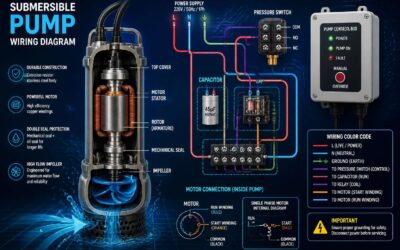
Installation and wiring considerations for pump switch assemblies require protection without isolation from the climate and terrain. In SA settings, choose weatherproof enclosures, reliable seals, and compliant earthing. Here are high-level considerations:
- Environmental protection: IP rating, corrosion resistance
- Wiring integrity: moisture seals, conduit, strain relief
- Maintenance and access: labeling, safe isolation
Site assessment and placement for optimal pump performance weighs head, drawdown, and vibration. Evaluate borehole depth, water level, and sediment while ensuring the switch sits where it can breathe with the system and still remain accessible for service.
Electrical wiring requirements and conductor sizing
Electrical wiring requirements for a submersible pump on off switch demand careful conductor sizing and a path that keeps water out of the heart of the system. Use gauges aligned with current draw, voltage, and insulation rated for damp, sandy environments. In South Africa, rugged weatherproof enclosures, moisture seals, conduit runs, and strain relief aren’t luxuries—they’re lifelines that keep the system breathing!
In practice, pay attention to the routing and protection of conductors—we know these choices save time and trouble in the field. The aim is a clean, secured path that endures field conditions and maintenance visits.
- Conductor sizing: choose insulation and gauge that match load and voltage drop over distance.
- Protection and routing: durable enclosure, proper strain relief, and moisture-resistant conduit to avert corrosion.
When these elements align, the submersible pump on off switch becomes a patient sentinel—quiet, decisive, and always ready to wake with water and retreat when pressure settles.
Grounding, bonding, and GFCI protection basics
In installation and wiring for pump switch assemblies, grounded protection, proper bonding, and GFCI protection basics guard against shocks and equipment failure, especially in South Africa’s damp, sandy soils. The submersible pump on off switch relies on these routines to stay calm under pressure and water.
Key protections to embed include:
- Grounding: solid earth connection with correct conductor and verification.
- Bonding: join all metal parts to equal potential.
- GFCI protection: use a water-rated device and test regularly.
Route conductors away from splash zones, seal junctions, and choose rugged, moisture-sealed enclosures to reduce field trouble and maintenance headaches.
Avoiding common wiring mistakes during switch installation
Installation and wiring for pump switch assemblies hinges on thoughtful planning—one loose connection and the whole system sings the blues. Pick a switch with a rating that matches your pump’s amperage and voltage, and consider a double-pole device to break both lines where required. A correctly chosen component keeps nuisance trips and hot spots from stealing your water pressure and your sanity—the submersible pump on off switch deserves it.
Mind practical wiring habits: route conductors away from splash zones, secure all terminations, and use strain relief. Seal joints and mount in rugged, moisture-sealed enclosures to resist South Africa’s damp, sandy environments. Common mistakes—loose terminals, undersized conductors, skipped testing—cost time and money.
- Correct conductor sizing and color coding per SA standards
- Secure terminations and avoid over-tightening
- Seal junctions to keep sand and water out
Types and components of the switch system for submersible pumps
Mechanical versus electronic switch options and use cases
A switch is the heartbeat of a pumping system; it decides when water moves and when it rests. In South Africa’s varied climates, a reliable submersible pump on off switch makes the difference between a dry trough and a thriving garden!
Types and components sit at the core of dependable control. Mechanical options—float or diaphragm sensors—offer rugged simplicity, while electronic switches bring precision and remote monitoring. Key components include sensors, housings, and protective enclosures that guard against moisture and dust.
- Mechanical switches—robust, simple to service, ideal where power is intermittent or off-grid.
- Electronic switches—precise control, diagnostics, and remote monitoring for modern pumps and smart irrigation.
Use cases span boreholes, rural irrigation, and municipal tanks, where the right switch system keeps water where it belongs and reduces wear on motors during load-shedding cycles.
Integrated relays, control panels, and automation options
Types and components sit at the core of dependable control for today’s wells and tanks. A submersible pump on off switch orchestrates the rhythm of water flow, its rugged mechanical or precise electronic sensibilities forming a quiet nervous system.
Integrated relays translate sense into action, while compact control panels keep the orchestra in tune on any site, from a sun-washed borehole to a municipal tank. In modern configurations, automation options extend reach and resilience: remote monitoring, diagnostics, and scheduled cycles that ride out load-shedding with composure.
- Integrated relays
- Control panels
- Automation options
With these elements, the submersible pump on off switch becomes more than a switch; it is a guardian of water, a shield against motor wear and unplanned starts.
The result is a harmonized, weatherproof assembly that protects motors and delivers steady service where water matters most.
Power supply, battery backup, and fail-safe configurations
In the quiet corridors beneath the ground, the submersible pump on off switch orchestrates power and flow, a silent guardian that prevents dry runs and unwelcome surges! It is not merely a switch but a rhythm keeper, translating pressure and voltage into a dependable pulse. When water matters most, it lends steadfast companionship to the pump.
Key components and their roles include the following:
- Power supply integration for reliable voltage with proper sizing
- Battery backup options to bridge interruptions
- Fail-safe configurations that auto-restart after anomalies
South Africa’s power landscape—where load-shedding can tilt the day—makes battery backup and well-tuned fail-safes more than luxuries; they are lifelines. The submersible pump on off switch paired with a sturdy reserve becomes a lifeline during outages, smoothing motor stress and preserving water supply through challenging times.
Materials, seals, and suitability for wet environments
South Africa’s water systems demand switches that endure the unexpected: a reliable submersible pump on off switch must perform amid outages and damp borehole conditions, keeping pressure steady and the water flowing.
Types range from rugged mechanical actuators to smart electronic units with integrated relays. Each system signals status clearly, auto-restarts after anomalies, and blends with control panels for coordinated pump management.
Materials and seals keep the unit dry and durable in wet environments.
- Corrosion-resistant housings (stainless steel or coated alloys)
- Seals using EPDM or Viton for water ingress resistance
- IP-rated enclosures (IP68 or higher) for full submersion durability
In this landscape, selecting a switch system means prioritising moisture protection, resilience to pressure transients, and reliable power transitions—the submersible pump on off switch delivers.
Compatibility with pump voltage, current, and horsepower ratings
Switch systems for submersible pumps blend rugged reliability with smart sensing. In practice, you’ll see two broad paths: sturdy mechanical actuators and compact electronic units with relays that choreograph power with care. For South Africa’s damp boreholes, the right mix keeps pressure steady and water moving, and it’s the backbone of a submersible pump on off switch, even during outages!
Core components quietly do the heavy lifting.
- Actuator or switch mechanism
- Relay module or control board
- Seals, gaskets, and protective coatings
- IP-rated enclosure
- Cable glands and strain relief
These elements determine moisture resilience and how cleanly the switch system gloves with the control panel.
Compatibility matters: ensure the switch’s voltage, current, and horsepower ratings align with the pump. In SA, 230–240V systems are common, and choosing a suitably rated unit cushions transients and duty cycles. A well-matched submersible pump on off switch delivers reliable, smooth power transitions that extend component life.
Operation, maintenance, and troubleshooting of switch systems
Testing and calibrating switch action and deadband
Reliability isn’t glamorous, but it’s essential for a submersible pump on off switch. In South Africa’s arid landscapes, a switch that starts and stops cleanly can mean the difference between steady irrigation and a wilted crop. When operation is smooth, the pump behaves like clockwork, protecting water resources and power budgets alike.
- Inspect seals and enclosure for moisture ingress and corrosion indicators.
- Observe deadband drift and ensure cycling remains balanced between start and stop.
- Check electrical connections and mounting for vibration and wear.
Testing and calibrating switch action and deadband requires patience and a keen eye. If readings skew or the cycle length changes with temperature, that speaks to aging components or enclosure stress. Addressing these signs preserves performance and shields the pump’s life in a South African installation.
Routine maintenance schedules and part life considerations
Operation and maintenance decide whether a submersible pump on off switch survives the season with dignity. In South Africa’s drought-prone fields, switch faults drive irrigation downtime and dent yields more than you’d guess. A reliably cycling switch keeps water moving and wallets intact.
Routine upkeep should run like a clock: a quarterly check, with a deeper audit before the wet season. Track part life—contacts, seals, and housings—so you replace wear items before they fail and surprise the budget.
- Schedule fixed quarterly inspections aligned with irrigation cycles.
- Maintain a small spare parts kit for switch wear items.
- Log cycle counts to forecast replacement needs.
Troubleshooting is practical rather than mystic. If cycling drifts, verify power, test the control signal, and inspect for moisture or debris in the housing. In the SA field, a calm, scheduled approach beats panic and costly outages—especially with a dependable submersible pump on off switch.
Troubleshooting common switch faults in pumping applications
Operation, maintenance, and steady troubleshooting of switch systems determine whether a submersible pump on off switch finishes the season with dignity. In South Africa’s drought-prone fields, a minor fault can cascade into downtime and wasted water. A reliably cycling switch keeps water moving—and wallets intact—when every drop counts.
- Moisture intrusion into the housing can corrode contacts and cause erratic cycling.
- Wear on contacts, seals, and housings shortens life and invites drift.
- Debris and sediment impede the mechanism, producing sticking or chatter.
- Power irregularities or control-signal drift can trigger premature cycling.
A calm, diagnostic approach respects the cycle life of the switch and aligns maintenance with irrigation schedules. It’s practical, not mystical—read the symptoms, preserve reliability, and keep the field productive through changing weather.
Indicators of wear and when to replace components
In South Africa’s drought-prone fields, the submersible pump on off switch is the quiet gatekeeper of water and wallet. “Water is money,” a seasoned irrigation manager says, and when I see a well-tuned switch, that truth stings a little less as the season tightens!
Operation remains elegant when the cycle remains precise. Subtle signs of wear appear long before a failure—calibration drifts, a reluctant return to off, or a soft hum that wasn’t there before. Indicators of wear are your early warning; they tell you the system is aging and time to read its life story.
- Visible wear on contact edges or seals
- Erratic cycling or delayed rest between strokes
- Unusual heat or oiliness near the housing
These cues help shape maintenance planning for the switch and its components. They remind operators that timing matters more than haste, preserving reliability through changing weather and water demand!
Efficiency, safety, and compliance for pump switching
Energy-saving strategies with smart or programmable switches
Across South Africa, electricity prices have surged in the past year, turning every watt into value. A well-chosen submersible pump on off switch converts erratic operation into steady efficiency, quietly trimming waste and extending the pump’s life.
Smart or programmable switches bring efficiency and peace of mind. For South African sites, consider these energy-saving strategies:
- Scheduled run times aligned with irrigation or demand patterns
- Sensor-driven starts that avoid dry running
- Auto-shutdown during power dips or outages
Safety and compliance stand shoulder to shoulder with performance. Use IP-rated enclosures, GFCI protection, and proper grounding for wet environments. Verify compatibility with pump voltage, current, and local codes such as SANS 10142 for credible installations.
Safety best practices for electrical and water systems
South Africa’s electricity price surge—about 24% in the past year—has made watt-for-watt prudence a national pastime. The submersible pump on off switch acts as a discreet valet, smoothing capricious duty cycles into steady, economical operation and quietly extending the pump’s life.
Safety and compliance walk hand in hand with performance. For South African sites, durability and clarity win: durable enclosures, transparent labeling, and steadfast adherence to local standards such as SANS 10142. By keeping water and electricity in their lanes, you reduce risk and preserve reliability without fanfare.
Ultimately, switching wisdom is as much about governance as gadgetry: trained technicians, written inspections, and a culture of routine care. The best outcomes arise when efficiency and safety are not afterthoughts but shared obligations around the control of submersible assets.
Code compliance, permits, and documentation requirements
Across South Africa, where steady supply is increasingly precious, efficiency is no longer a nicety but a safeguard. The submersible pump on off switch acts as a discreet steward, trimming wasteful cycles and prolonging life by letting the system breathe at the right times. Compliance and performance rise together when control devices are designed for wet environments and clear labeling under local standards.
- Code compliance with SANS 10142 and municipal electrical standards
- Permits and approvals for installation, commissioning, and ongoing operation
- Documentation such as electrical drawings, test reports, and inspection sign-offs
When governance meets engineering, efficiency stops being accidental and becomes part of the asset’s story, especially for sites where reliability is king.
Selecting warranties, support, and documentation for installations
Across South Africa, where water scarcity meets rising electricity costs, every saved watt counts. The submersible pump on off switch acts as a discreet steward, trimming wasteful cycles and prolonging life by letting the system breathe at the right moments. Efficiency becomes a shield, not a luxury.
Safety and compliance walk hand in hand. Wet-environment labels, proper enclosure, and adherence to municipal electrical standards keep incidents small and assets long-lived.
- Warranties and service terms tied to installation quality
- Support channels with clear response times and remote diagnostics
- Documentation including electrical drawings, test reports, and inspection sign-offs
Pairing governance with engineering makes the installation part of the asset’s story rather than a ticking clock. With a robust submersible pump on off switch, sites from the Karoo to Cape Town stay compliant and efficient.

0 Comments