
Jet Aeration Technology with Submersible Pumps
How submerged pump jet aerators work
Jet aeration quietly reshapes water quality. In South Africa, aeration efficiency can trim energy use by up to 30% when optimized. A submersible pump jet aerator blends high flow with precise air injection to lift dissolved oxygen fast.
Submerged configurations draw water in, eject air through a nozzle, and create a strong jet that stirs, oxygenates, and keeps the tank in motion. The venturi design uses the moving water to pull air from the surface, mixing it evenly through the basin.
- Compact footprint for tight plant spaces
- Reliable oxygen transfer with minimal maintenance
- Flexible installation in tanks, basins, and channels
This setup suits municipal lagoons, wastewater treatment, and irrigation runoff in South Africa. It delivers steady oxygen transfer without bulky gear and reduces noise and energy use compared with paddle systems.
Advantages of jet aeration in aquaculture and wastewater
Across South Africa, energy budgets tighten like a late afternoon heat, and aeration that travels with efficiency can trim power use by as much as 30% when tuned to the water’s rhythm. The submersible pump jet aerator embodies that balance: a veil of motion and a touch of air, coaxing oxygen to depth with swift quiet grace.
Jet aeration technology, wielded by submersible pumps, lends distinct advantages to both aquaculture and wastewater. Its compact footprint fits tight plant spaces, while reliable oxygen transfer holds steady under changing loads with minimal maintenance. Installations in tanks, basins, and channels become a kind of choreography, delivering even mixing without the clangor of bulkier paddle systems.
- Compact footprint and adaptable retrofits
- Low noise and reduced wear
- Flexible deployment across tanks, basins, and channels
Key components and how they interact
Across South Africa’s aquaculture and wastewater scenes, energy bills bite hard—until the submersible pump jet aerator proves otherwise. When tuned to the water’s rhythm, savings approach 30%. This compact unit blends a pump, a jet nozzle, and air-injection to deliver oxygen deep where it counts.
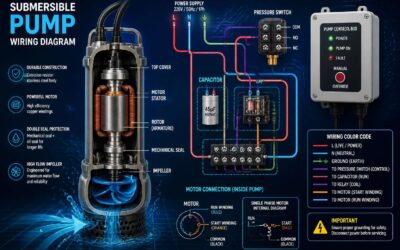
Inside, the components perform a quiet ballet. The submersible pump drives a high-velocity jet, while an air diffuser injects bubbles that ride the current, boosting oxygen transfer through venturi action.
- Submersible pump
- Jet nozzle with venturi throat
- Air diffuser or injection line
- Diffuser housing, seals, and intake
- Mounting hardware and protection cage
Compact, modular, and friendly to tight tanks, basins, and channels—in SA!
Efficiency and energy considerations
Energy bills in South Africa’s aquaculture and wastewater scenes bite hard—until a compact hero changes the calculus. When tuned to the water’s rhythm, savings can approach 30%, turning power into productivity rather than a drain. The submersible pump jet aerator fuses core elements into a single, responsive unit that works deep where oxygen matters most.
In steady operation, the device negotiates demand with the water, minimizing wasteful surges and idle running. Submergence reduces heat and vibration, extending motor life while keeping energy use predictable. The result is cleaner water, steadier mixing, and a quieter footprint for facilities tucked into South Africa’s riverside channels and containment tanks.
Performance metrics to monitor
Energy bills bite in South Africa’s aquaculture and wastewater scenes, but one compact setup changes the math. Up to 30% energy savings are possible when a submersible pump jet aerator is tuned to the water’s rhythm! Deep in the column, this unit delivers oxygen where it counts and turns power into steady productivity.
To track real-world performance, monitor these metrics:
- Oxygen transfer rate (OTR) and target dissolved oxygen (DO) levels
- Electrical power draw and energy per kilogram of oxygen transferred
- Flow distribution and mixing uniformity across the water column
- Vibration, heat buildup, and motor temperature for reliability
- System head and efficiency across operating depths
With these indicators in place, operations stay aligned with South Africa’s water quality goals, while energy use remains predictable and manageable. The submersible pump jet aerator keeps mixing steady, cleaner water, and a quieter footprint in ponds, channels, and containment tanks.
Design and Engineering Considerations
Suction and discharge configurations
In the quiet depths, every breath matters: up to half of aeration energy escapes into shadows when suction and discharge design falters! Design and engineering considerations for a submersible pump jet aerator translate into robust configurations that keep turbulence steady and oxygen delivery precise.
Suction depth, intake alignment, and discharge orientation become the sinews of reliable performance.
- Suction depth and intake alignment to prevent cavitation
- Discharge angle and diffuser placement for even jet spread
- Priming, anti-siphon measures, and ease of maintenance
Arrange these elements with an eye to South African realities, where space is compact and maintenance windows are precious.
Across South Africa, these choices translate into durability and steady operation beneath surface shadows. The engineering here favors resilience, quiet reliability, and intelligent integration with existing water-management systems, so the aeration rhythm remains unbroken even as demand shifts.
Materials and corrosion resistance
In the quiet depths, the material decisions of a submersible pump jet aerator shape its fate as much as the impeller does. Materials and corrosion resistance determine how long the units stay submerged without fuss, especially under South Africa’s coastal breezes and inland chlorinated streams.
Stainless steel housings—AISI 316 or higher—paired with duplex alloys resist brine, mineral glare, and silt abraiding the surface. Epoxy coatings and polyurethane seals form a protective cloak, while ceramic-seal faces and corrosion-resistant fasteners keep water out of the joints. Elastomer choices like FKM or EPDM offer temperature resilience without swelling, ensuring seals stay tight even in variable maintenance windows.
Noise, vibration, and reliability
Quiet operation can punch up uptime more than raw horsepower. In field tests, quieter units log fewer service calls and longer seal life. Design and engineering focus on noise, vibration, and reliability: balanced impellers, snug motor mounts, and isolated housings keep components harmonious under load. A well-tuned submersible pump jet aerator delivers stable flow with predictable head, even in South Africa’s gusty coastal sites and inland chlorinated channels.
Key design levers include:
- Balanced hydraulics and aligned impellers
- Vibration isolation with rugged mounts
- Seals, bearings, and thermal pathways for reliability
In field use, these choices translate to steady performance across SA’s varied waters.
Sizing and capacity planning
In the field, a mis-sized system costs more than energy: downtime and uncertain oxygenation follow every heartbeat of demand. For South Africa projects, the submersible pump jet aerator that’s correctly sized delivers steady head across ponds and channels, adapting as seasons shift and demand climbs.
Design and engineering considerations for sizing and capacity planning are not a checkbox; they thread hydraulics, target dissolved oxygen, and site realities into one coherent profile. The key deltas to balance include:
- Flow capacity versus available head and resulting energy use
- Duty cycle, redundancy, and maintenance windows
- Power availability, voltage stability, and efficiency characteristics
In South Africa’s varied waters, this approach safeguards performance amid chlorinated effluents and tidal or gusty conditions, keeping the submersible pump jet aerator reliable while avoiding over- or under-oxygenation.
Integration with existing systems
Across South Africa’s water sites, mis-sized systems waste up to 30% more energy while chasing demand. The submersible pump jet aerator, when properly integrated, holds steady head across ponds and channels as seasons bend to need.
- Seamless control-system collaboration (SCADA/PLC) for real-time oversight
- Hydraulic compatibility with existing piping and channel geometry
- Redundancy planning, scheduled maintenance windows, and power reliability
Containing these realities, the integration respects site constraints—from variable power stability to tight piping routes—delivering dependable aeration without forcing over- or under-delivery in SA’s diverse climates.
Applications Across Industries
Wastewater treatment and biofilm control
Across South Africa’s water networks, where every drop counts, the submersible pump jet aerator acts like a quiet conductor steering streams toward cleaner, healthier horizons. Its blend of deep mixing and oxygen delivery whispers through clarifiers, turning stubborn basins into agile reservoirs of life.
Across municipal plants, mining operations, and farm effluents, this technology stands as a steadfast ally in wastewater treatment and biofilm control. It delivers dissolved oxygen with finesse, accelerates nutrient removal, and loosens reluctant biofilms before they encroach on pipes and membranes.
- Municipal plant optimization
- Industrial effluent biofilm control
In South Africa’s bustling aquaculture and food facilities, the same principle scales—quiet duty, robust performance, energy-conscious operation. The result is a more resilient network, fewer odors, and flows that rhyme with sustainability, even under demanding loads!
Aquaculture and fish farming
Across South Africa’s ponds and hatcheries, oxygen is the currency of growth, and every bubble counts. The submersible pump jet aerator becomes a patient conductor, turning quiet water into a thriving chorus of life.
From coastal pens to inland raceways, aquaculture and fish farming harness this technology to deliver a steady stream of dissolved oxygen, promote uniform temperatures, and deter stagnation that invites foul odors.
- Tilapia and trout ponds
- Recirculating aquaculture systems (RAS)
- Hatchery and nursery water conditioning
Where other engines whisper, the agile aerator hums—an elegy to efficient farming and resilient ecosystems, a quiet ally for South Africa’s aquafarms!
Stormwater and retention ponds
Water breathes, or it sulks. In South Africa’s climate, stormwater and retention ponds can swing from glassy calm to algae-choked in hours, but the right aeration keeps water moving, odors down, and microbes humming. A submersible pump jet aerator injects oxygen and stirs layers, preventing stratification so pollutants don’t hide in the depths and downstream drains stay cleaner!
Applications span multiple sites across SA, from municipal basins to rural ponds:
- Stormwater and retention ponds
- Industrial effluent basins and lagoons
- Landscape, golf course, and irrigation ponds
That same compact performance translates into energy-conscious operation, minimal vibration, and easy retrofits in existing schemes. The submersible pump jet aerator is a quiet workhorse, delivering reliable mixing without a showroom of equipment. Cleaner water, fewer nuisance odors, and a longer usable season for SA communities follow.
Lakes, ponds, and water features
Across South Africa, water features—from park lakes to private ponds—perform when aeration breathes life into them. A submersible pump jet aerator disrupts stagnation, turning glassy surfaces into pulse points of oxygen and movement. It’s a quiet conductor, stirring layers and inviting healthier microbes to do their work, so odors fade and clarity returns.
Applications span a spectrum beyond the obvious, threading through urban, agricultural, and commercial spaces:
- Urban decorative ponds in parks and civic spaces
- Private estates, hotels, and corporate campuses with water features
- Educational campuses and research facilities managing controlled ecosystems
Beyond aesthetics, the compact unit runs with energy-conscious efficiency and minimal vibration, making retrofits easier than a breeze. Even in compact footprints, the submersible pump jet aerator delivers robust mixing and a longer usable season for SA communities.
Industrial process water aeration
In South Africa’s industrial water networks, oxygen is fuel for efficiency, and the numbers back it up: energy savings up to 40% when aeration is tuned to the task. A submersible pump jet aerator acts as a quiet catalyst, breaking stagnation and turning glassy process waters into a steady dance of mixing and healthier microbial action.
Applications span key industries where reliable mixing matters.
- Manufacturing process water and cooling circuits
- Food and beverage effluents and cleaning streams
- Mining and mineral processing wastewater
- Pulp and paper processing effluents
Across these sectors, it’s low-noise, energy-conscious operation that keeps downtime minimal and water quality high. Retrofit-friendly by design, this approach slips into existing footprints without drama and with dependable performance in process water aeration.
Maintenance, Troubleshooting, and Best Practices
Routine inspections and cleaning routines
Maintenance keeps the submersible pump jet aerator performing reliably in South Africa’s varied water settings. Schedule routine checks on seals and cabling, monitor bearings, and clear biofilm from housings and air inlets. Regular cleaning prevents clogging and maintains mixing!
Troubleshooting focuses on symptoms, not quick fixes. If aeration wanes, verify power and fuses, listen for abnormal vibration, and check for debris in suction or diffuser.
- Power supply status and fuse integrity
- Debris in intake or diffuser
- Impeller wear and alignment
- Electrical connections for corrosion
Best practices emphasise observation over haste. Maintain a simple log of inspections and changes. Use non-abrasive cleaners on exterior surfaces and keep spare seals nearby to minimise downtime.
Common issues and troubleshooting steps
Maintenance for the submersible pump jet aerator thrives when care is deliberate and calm. In South Africa’s diverse waters, schedule seasonal service windows, inspect supports for fatigue, and monitor performance trends. Gentle exterior care plus timely seal swaps keep that equipment humming with grace!
Troubleshooting focuses on symptoms rather than quick fixes. When aeration wanes, verify power supply and fuses, listen for unusual vibration, and inspect suction and diffuser for debris. A measured pause often reveals the root cause more clearly.
- Power supply status and fuse integrity
- Debris in intake or diffuser
- Impeller wear and alignment
- Electrical connections for corrosion
Best practices emphasise observation over haste. Maintain a simple log of inspections and changes, and use non-abrasive cleaners on exterior surfaces. Keeping spare seals nearby minimises downtime and preserves the aerator’s quiet, steadfast performance.
Preventive maintenance schedules and records
Maintenance for the submersible pump jet aerator is a quiet ritual, a guardian of serene waters. In South Africa’s diverse shores, the seasons whisper through service windows, while supports reveal wear and exterior surfaces keep their quiet luster.
Troubleshooting leans into symptoms rather than quick fixes. When aeration wanes, clues drift from power and connections to the unit’s steady hum; debris in intake or diffuser and unusual vibrations hint at what the water hides. A measured pause reveals more.
- Power supply status and fuse integrity
- Debris in intake or diffuser
- Impeller wear and alignment
- Electrical connections for corrosion
Best practices favour observation over haste. A simple log of inspections and changes grows into a map of health for this equipment; spare seals on hand minimise downtime and preserve quiet, steadfast performance. Preventive maintenance schedules and records track seasonal performance.
Energy efficiency and performance optimization
Maintenance for a submersible pump jet aerator is the quiet gardener of water health. In South Africa’s shifting seasons, preventive checks—seals, bearings, and exterior luster—become rituals that guard energy use and reliability, turning a harsh climate into a cradle for steady aeration!
Troubleshooting favors patient observation over haste. When aeration wanes, clues drift from power and connections to the unit’s hum; debris in intake or diffuser and odd vibrations whisper what the water keeps hidden. A measured pause reveals more, indeed!
- Power supply status and fuse integrity
- Debris in intake or diffuser
- Impeller wear and misalignment
- Corrosion in electrical connections
Best practices favour observation over haste: observe, log, and calibrate with care. Spare seals for quick swaps, preserve clean interfaces, and let measured adjustments quietly optimize energy efficiency and performance of the submersible pump jet aerator.
Spare parts, serviceability, and vendor support
Across South Africa’s shifting seasons, a quiet truth hums beneath every pond: a well-tended submersible pump jet aerator can slash energy waste by up to 25% when maintenance becomes a ritual. It keeps water lively and beds of microfauna thriving.
In troubleshooting, patience outshines haste: listen for a changed hum, pause, and reassess. Subtle clues—slack seals, stray debris, or a drifting diffuser—often point to the route of a quiet decline.
Spare parts, serviceability and vendor support form the backbone of resilience:
- Locally stocked spares and rapid replacement cycles for the submersible pump jet aerator.
- Clear warranty terms and access to certified technicians.
- Direct channels to trusted distributors for quick routine service and calibration.
In practice, choosing a supplier with regional workshop support ensures faster turnaround and access to genuine parts, keeping your submersible pump jet aerator performing through South Africa’s seasonal shifts.
0 Comments